Congratulations 2026 Residents
The Rabbit Island Residency is pleased to announce the selection of three residencies for its 2026 program. Each residency will be supported by an unrestricted honorarium of $4,000 USD, made possible by grant funding and generous donor contributions.
Somto Ihezue
Shoko Tamai
Milah van Zuilen
Below are the biographies, artist statements, and proposals from our incoming residents. While these ideas may evolve as the artists immerse themselves in island life, we look forward to sharing their research and expanding the Rabbit Island narrative through their work.
Since 2011, the Rabbit Island Residency has supported 52 residents and over 95 collaborators. Their work has fostered a diverse range of artistic expressions that critically engage with conservation, culture, and our relationship with the environment. We are confident this year’s cohort will continue this tradition, contributing vital perspectives to these ongoing dialogues.
The selection committee sincerely thanks everyone who applied to the 2026 Open Call. The applicant pool was exceptional, and while we could not award more positions, we are honored to welcome Somto, Shoko, and Milah to the island this season.
Rabbit Island 2026 Residency Selection Committee
Julieta Aguinaco, 2017 Resident, Artist
Zoe Dering, Artist/Ceramicist
Jessica Segall, Artist
Rob Gorski, Cofounder/President
Andrew Ranville, Cofounder/Executive Director, Artist
Somto Ihezue
Biography
Somto Ihezue is a writer and filmmaker. He is an MFA fellow in Creative Writing at the University of Maryland. His writing begins at the intersection of boyhood, land, disruption, and joy in Igbo communities.
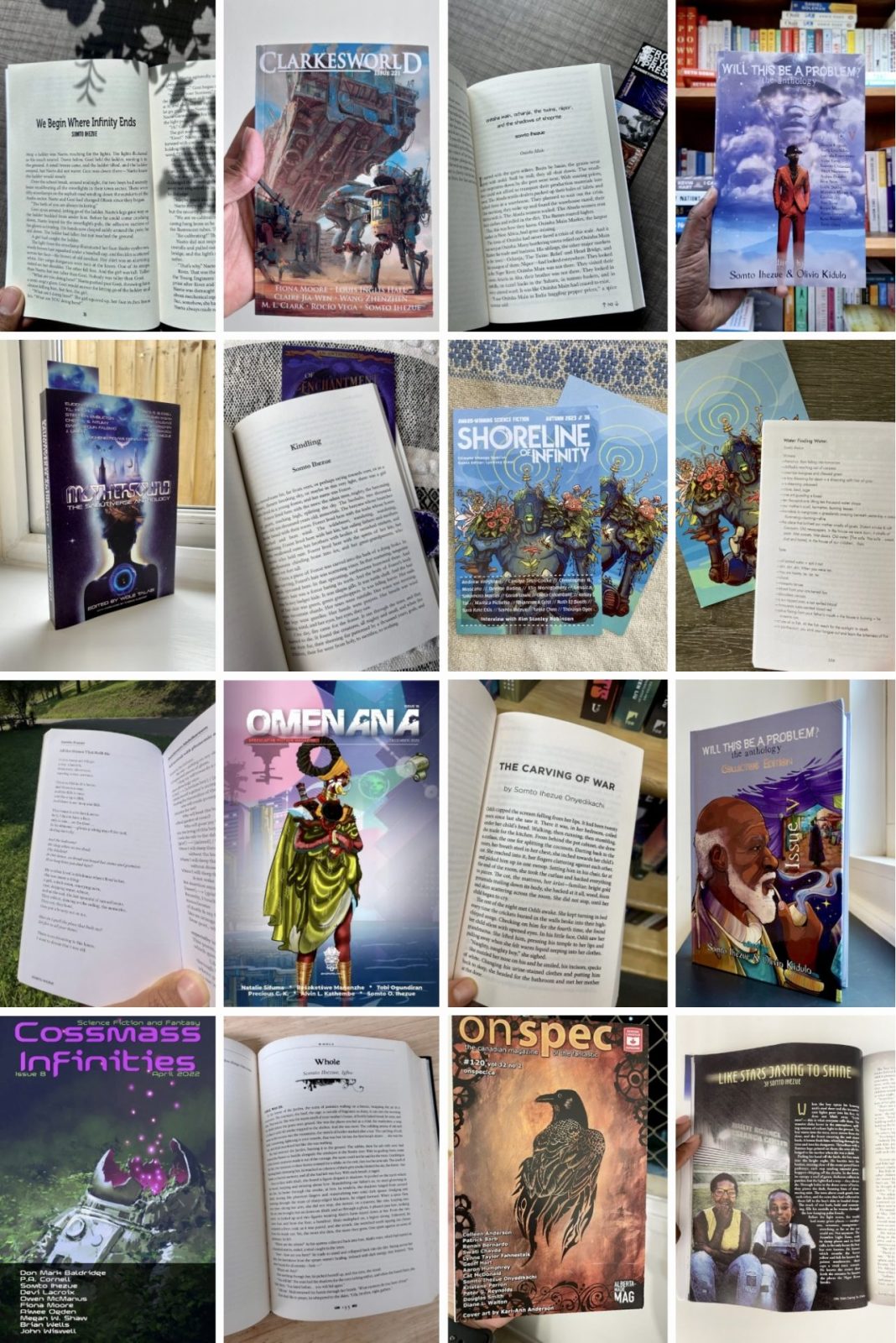
His work has been a finalist for the Nebula Award, the British Fantasy Award, the ALCS Tom-Gallon Trust Award, and has appeared in Clarkesworld, POETRY, Uncanny, Strange Horizons, Beneath Ceaseless Skies, Sauúti, and others. He has received residencies and fellowships from the Kimmel Harding Nelson Center for the Arts, Tin House, Clarion West, Sundress Academy for the Arts, Good Hart, and more. He was assistant editor of the Publishing Taught Me Anthology (SFWA & NEA) and co-editor of Will This Be a Problem? The Anthology.
Artist Statement
Through stories, I explore how environmental injustice intersects with histories of exclusion. Who has access to land? Who is displaced when water rises? Who gets to belong?
"Unless you know the context of a conversation, you might not know if we are speaking about our body or our land. You might not know which is injured, which is remembering, which is alive."— Natalie Diaz.
My work holds demands: to enshrine the stories of longing bodies, stories where the land does not reject them but holds them in tenderness. Stories where nature, like queerness, is wild, fluid, and boundless. A demand to not just understand, but to believe that the land is not just a place, and a river is not just water; it is memory and being. In my work, I refuse to separate the ecological from the sacred.
In my stories, landscapes shift, the earth rebels, and characters navigate both ecological and societal collapse; exploring how climate disaster mirrors colonial disruption, how displacement is not just a result of rising waters but of histories of extraction and erasure. My work imagines futures where the shorn invent new ways of living, where othered and displaced bodies find belonging in rewilded worlds, insisting that neither identity nor earth is easily erased.
Proposal
I intend to approach my work on Rabbit Island as dialogue. I am interested in listening: to the landscape and the ways scientific observation attempts to translate nonhuman life into legible forms. My practice is rooted in attention to bodies and lands as archives, and this residency offers an opportunity to expand that lens beyond cultural memory into ecological memory, where time operates at scales that resist human urgency.
I am particularly drawn to Rabbit Island, and by extension, the natural world, as a site where injury and regeneration coexist. Engaging with ongoing ecological studies of disturbance, succession, soil, water, and climate, through storytelling, I would explore how scientific language describes loss and change, and the moments where said language strains. I am interested in what is unquantifiable. The emotional residue of clear-cuts. The spiritual weight of old-growth. The queer temporality of ecosystems that stall or refuse linear recovery.
A potential project will take the shape of a hybrid text: part ecological gloss, part speculative fragments, part history. These pieces would imagine the forest as a body that remembers, holding traces of extraction, fire, human intervention, alongside care and persistence. Rather than centering human protagonists, the work may follow watersheds or fungi as narrative agents, asking how displacement operates across scales and species. What does belonging mean in a protected forest? Who is deemed native, invasive, or expendable? This work would extend my ongoing interest in the inseparability of the ecological and the sacred.
On Rabbit Island, I hope to let the landscape complicate, while challenging my thinking and writing process. The stories that come forth would be shaped by proximity, failure, listening, and the slow ethics of staying with the land long enough for it to answer back.
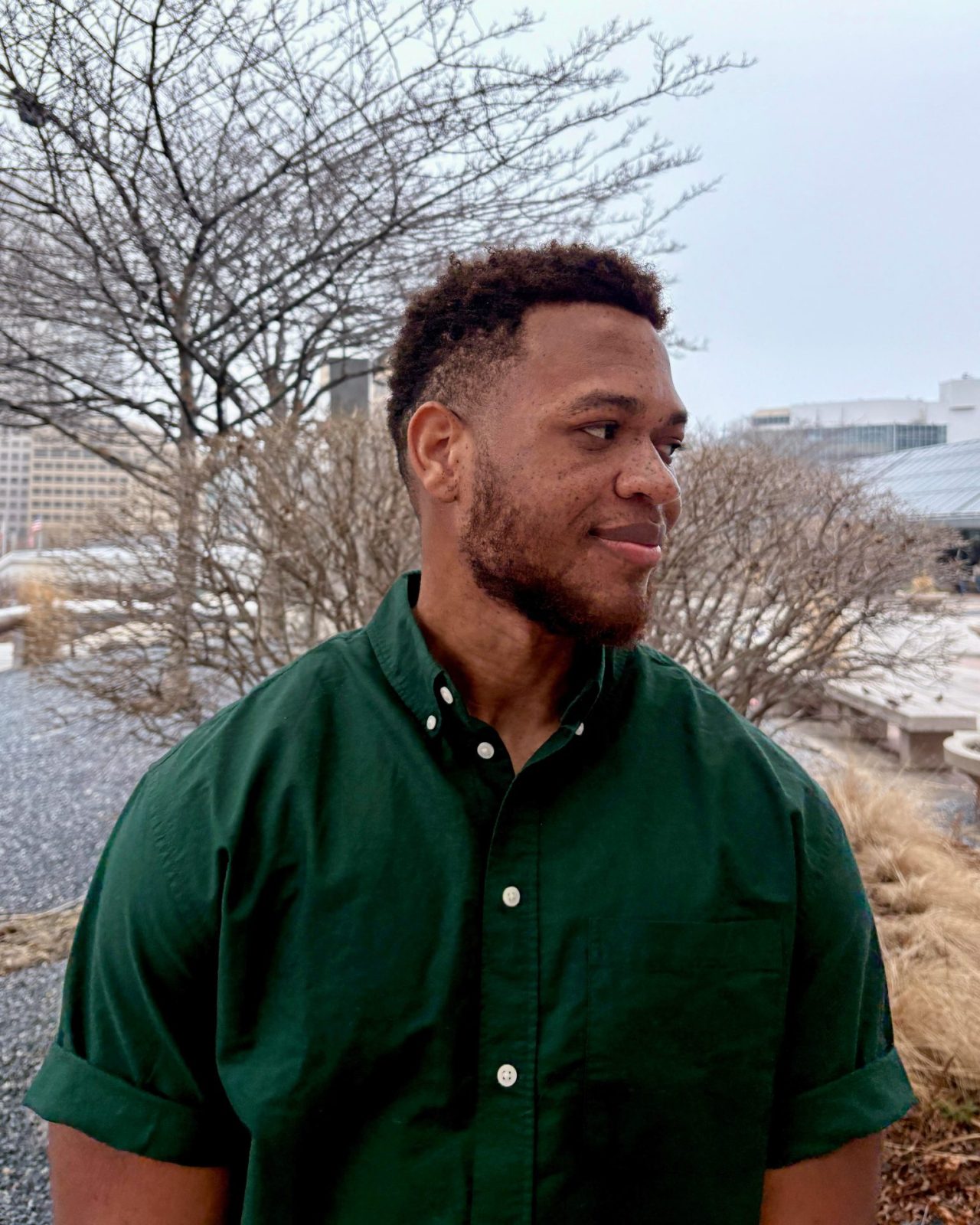
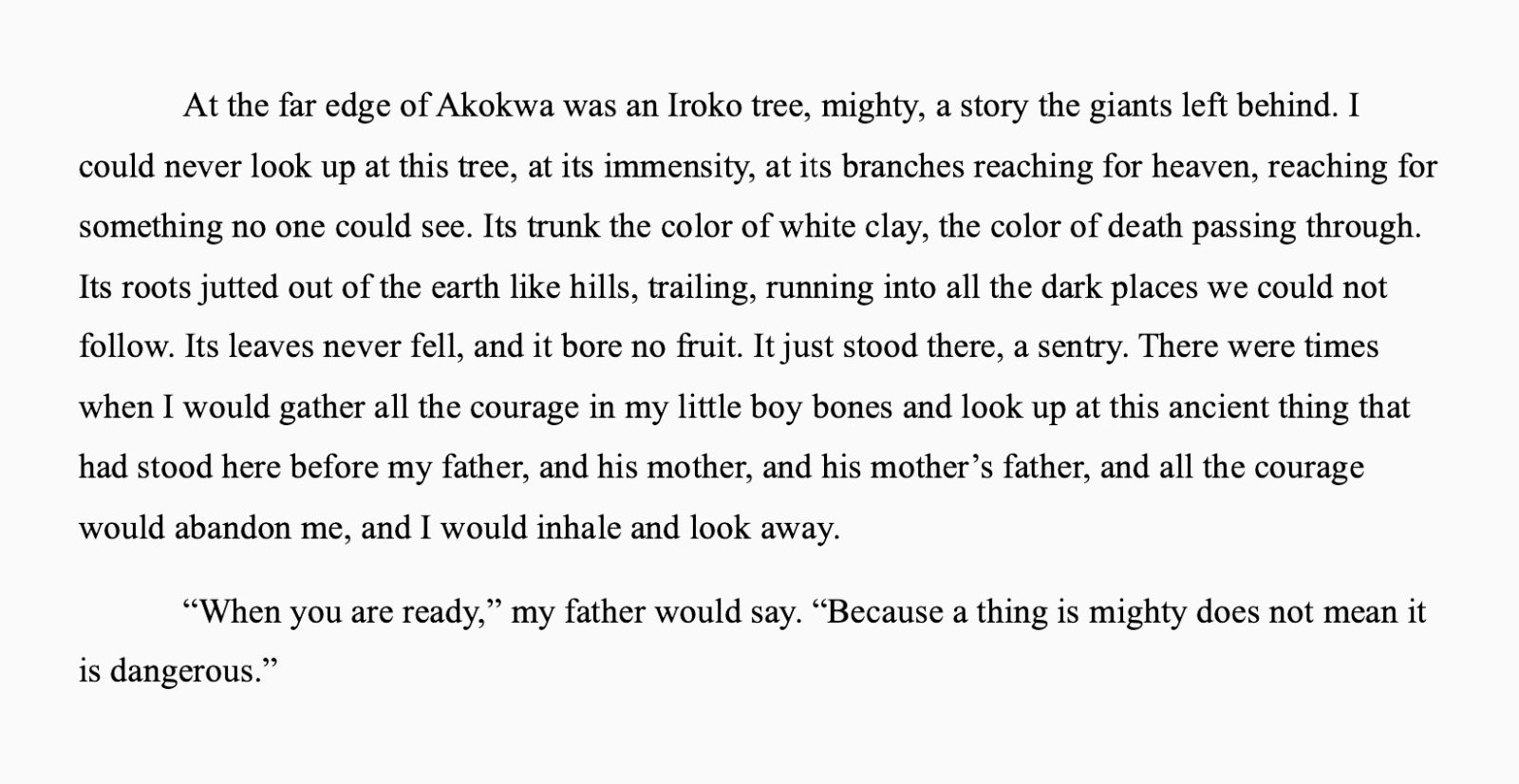
Images: Somto's writings in various publications. Portrait courtesy of the artist. Excerpt of Somto's "When Trees Laugh, It Sounds Like This".
Shoko Tamai
Biography
Shoko Tamai is an award-winning choreographer, dancer, and director whose work blends ballet, contemporary movement, and martial arts to explore mythology, human connection, and environmental consciousness. She began formal training at age two and studied at Yumi Classical Ballet Studio, the Central School of Ballet, Royal Ballet in London, the American Academy of Ballet.
Tamai has performed internationally with companies including Dance Theatre of Harlem, Tokyo Ballet, Cirque du Soleil, and Semperoper Dresden Ballet. She received the Solo Seal Award from the Royal Academy of Dance in London, was a finalist at the World Ballet Competition, earned the Merit Award at Premio Capri Danza International, and was nominated for Outstanding Choreography for The Tempest at the New York Innovative Theater Awards. She was the first female choreographer commissioned for the Isha Foundation’s Maha Shivaratri celebration and has performed at the Joyce Theater, Lincoln Center, and Jacob’s Pillow. Her work includes the Edinburgh Festival Fringe and site-specific performances like NAUM, an immersive work staged both underwater and on land.
Since 2017, she has led Ninja Ballet, merging dance, film, and ritual storytelling. Her 2024 debut dance film, Flow, received recognition at the Berlin Kiez and Sarajevo Fashion Film Festivals. Across these mediums, Tamai continues to examine cultural memory, spirituality, and humanity’s relationship with the natural world.
Artist Statement
Through my art, I seek to awaken mindful awareness, guiding us into deeper intimacy with ourselves and the natural world. Ballet was once my meditative refuge, but the professional pursuit of “perfection” led me into a darkness I had to transcend. Through martial arts, I learned to embrace imperfection, transforming each movement into a lifelong ritual of heart purification. Now, I strive to dissolve the invisible walls between dance languages and liberate the suppressed wildness and sensual truth of the raw self.
I see myself as a translator of body language, bridging ancient wisdom with the present moment. By gathering movements from fading indigenous traditions—from Siberia to the Ainu—I work to recover the Body Poems forgotten by modern society. Rooted in deep listening to the Earth, I bridge the movements of our ancestors with the rhythms of today’s world, translating the pulse of living land into dance as a sacred offering.
In a fragile future where humanity could vanish like the dinosaurs, I move so this world might welcome our presence. This is my lifelong devotion: to honor all life and affirm dance as a vital path toward harmony and survival.
Proposal
Where I came from, the classic Japanese language my grandmother carried is dying. In her will, her YUIGON, I saw the character 體 (body). Today, we use 体, uniting "person" with "tree root." But the ancient 體 is different: the radical 骨(bone) on the left meets "origin" and "abundance." I realized I didn't truly know my body because I have spent my life facing 体. Now, I want to rediscover myself through 體—a rebirth where bone awareness makes the body "abundant." On Rabbit Island, I want to discover what it means to understand my sacred form this way. I am curious how each bone represents our humanity; in the end, we are only “bone to ashes.”
To explore this, I will research the movements of Rabbit Island’s flora and fauna. My process follows Hayao Miyazaki’s philosophy of drawing “from the bone,” understanding internal weight and anatomy rather than surface skin. You move from the center and the spine, feeling core energy before detail. Using thousands of photos and drawings, I will collage these observations, for example, half-worm and half-human. By researching how a worm moves and collaging it with a human walk, or fall… I will develop movement to become these beings. This is my way of expressing the “sphere of life", reconstructing movements to develop a new dance technique.
I approach this residency with a disciplined structural intent, yet I will leave room for the land to breathe through me. My time will culminate in a "Body Poem" book of collages and dance methods, which I hope to publish alongside a digital film on a USB card. The land will determine the book; in an interactive performance, I will project images and interpretations from the land physically into the space, as if the audience and I are reading the book together. Through this book, film, and performance, I want to build a path for land stewardship, using my body as a translator for the island’s ancient and living forms.
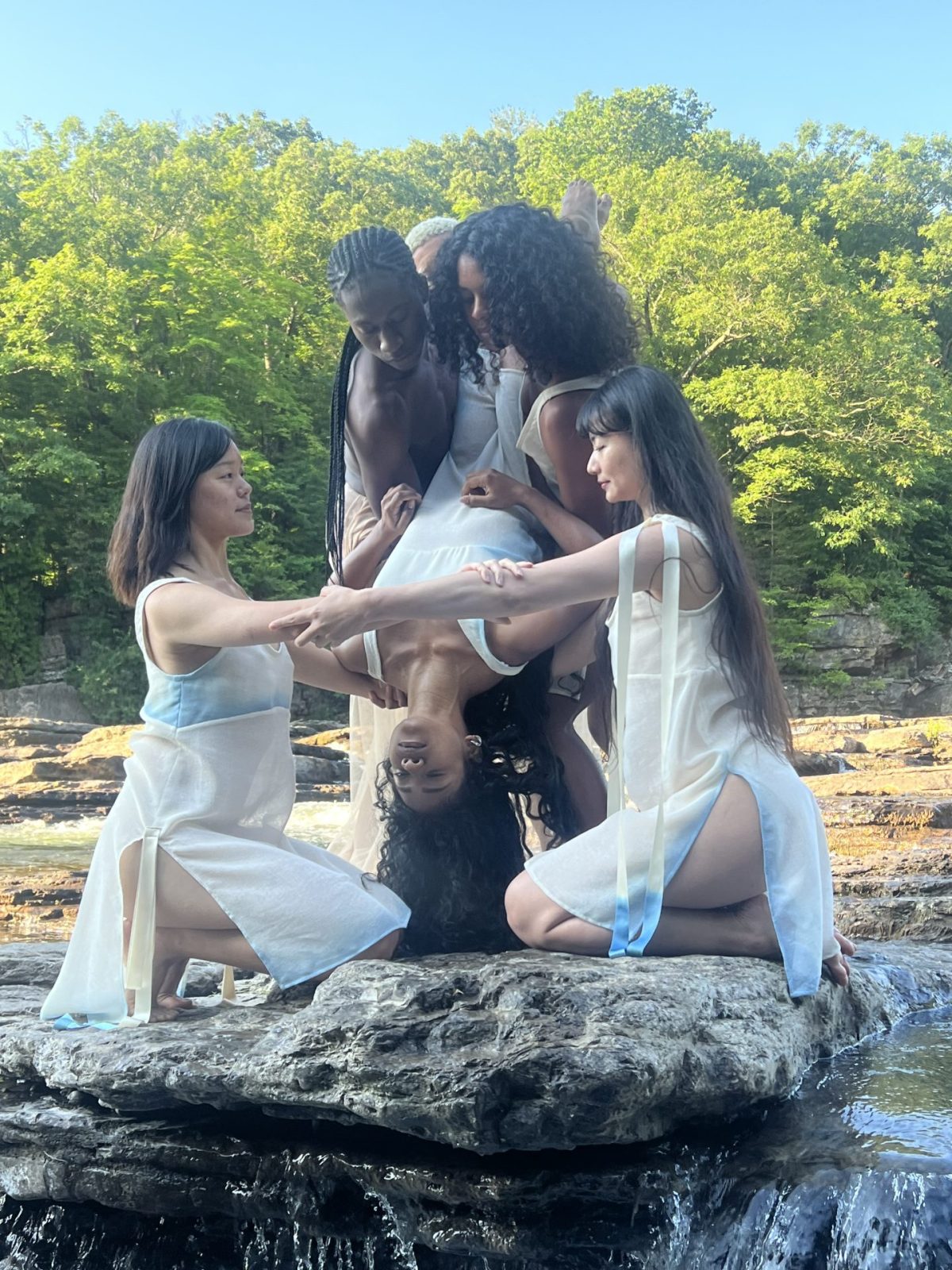
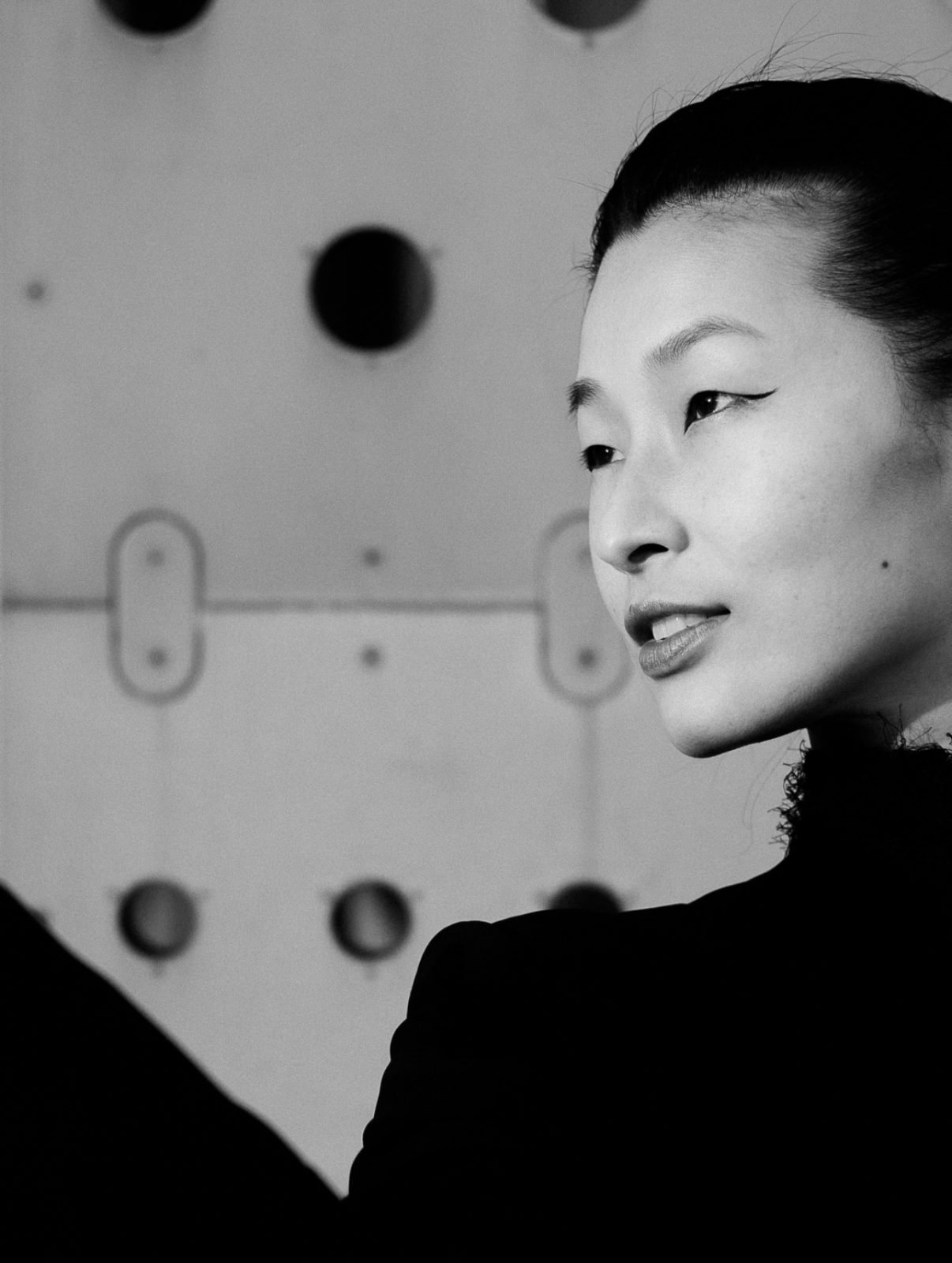
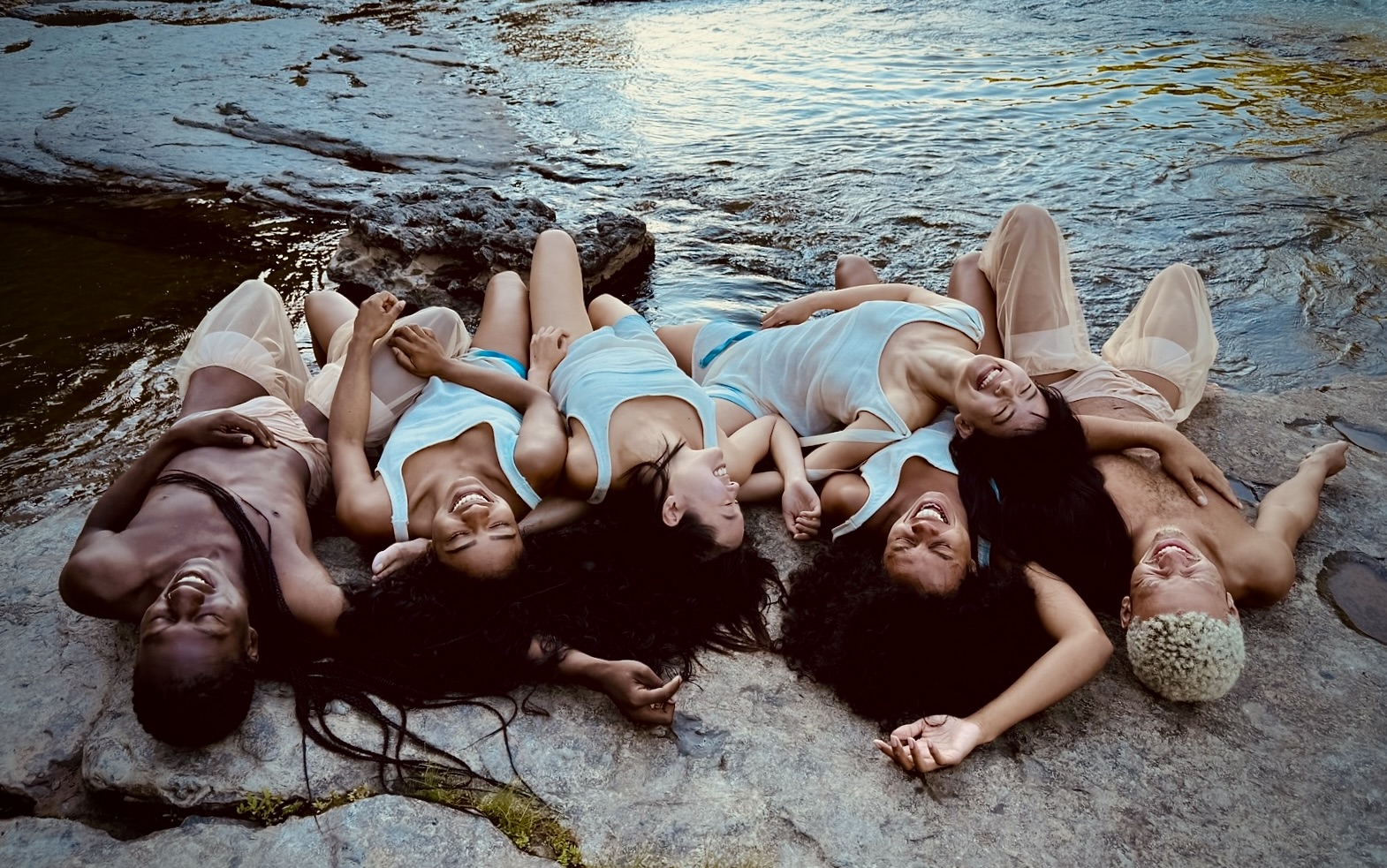
Images: Film stills from the Shoko's 2024 film, Flow. Portrait courtesy of the artist.
Milah van Zuilen
Biography
Milah van Zuilen is a visual artist and forest ecologist in training based in Lunteren, the Netherlands. She works with materials gathered during fieldwork, creating projects in dialogue with landscapes and their ecologies.
After graduating from the Fine Arts & Photography Honours Programme at Willem de Kooning Academy in Rotterdam, her graduation project Terrafuturism received the Ron Mandos Best of Graduates Award and was included in the collection of Museum Voorlinden. Her work has since been exhibited in institutions in the Netherlands and across Europe, including Museum Arnhem, Rijksmuseum Twenthe, Allard Pierson Museum and CODA Museum.
Alongside her artistic practice, Milah pursued a Pre-MSc in Forest and Nature Conservation at Wageningen University & Research and completed an internship at National Park De Hoge Veluwe. She is also co-founder of JARO, a space for ecology-related artist residencies in the Czech Republic.
Artist Statement
Both as a visual artist and a forest ecologist in training, I aim to bend the disciplines of art and ecology closer together. With fieldwork as a fundamental method, I explore the human urge to understand, categorise and divide landscapes. Also central to my work is the square, a shape that characterises this human perspective on the land.
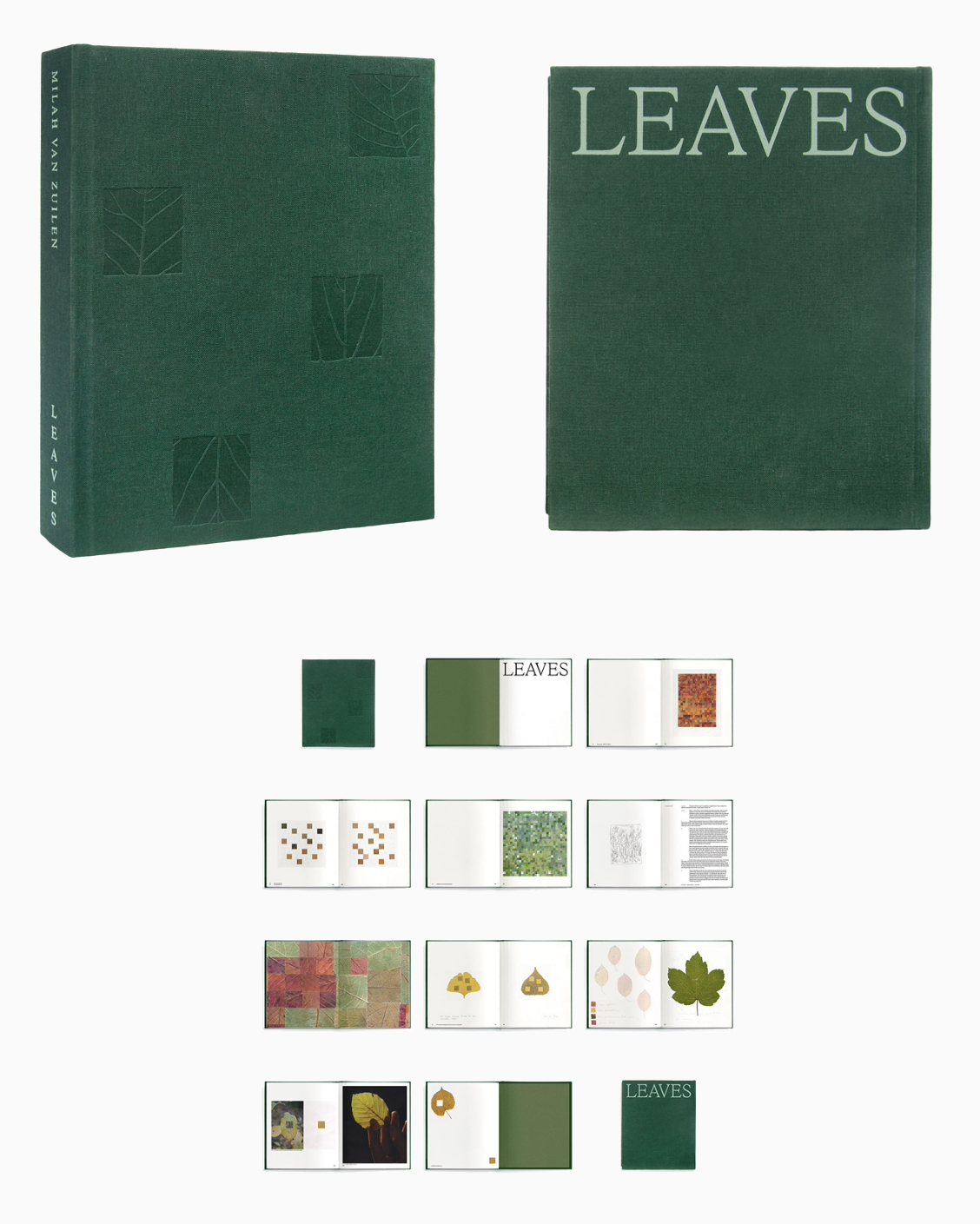
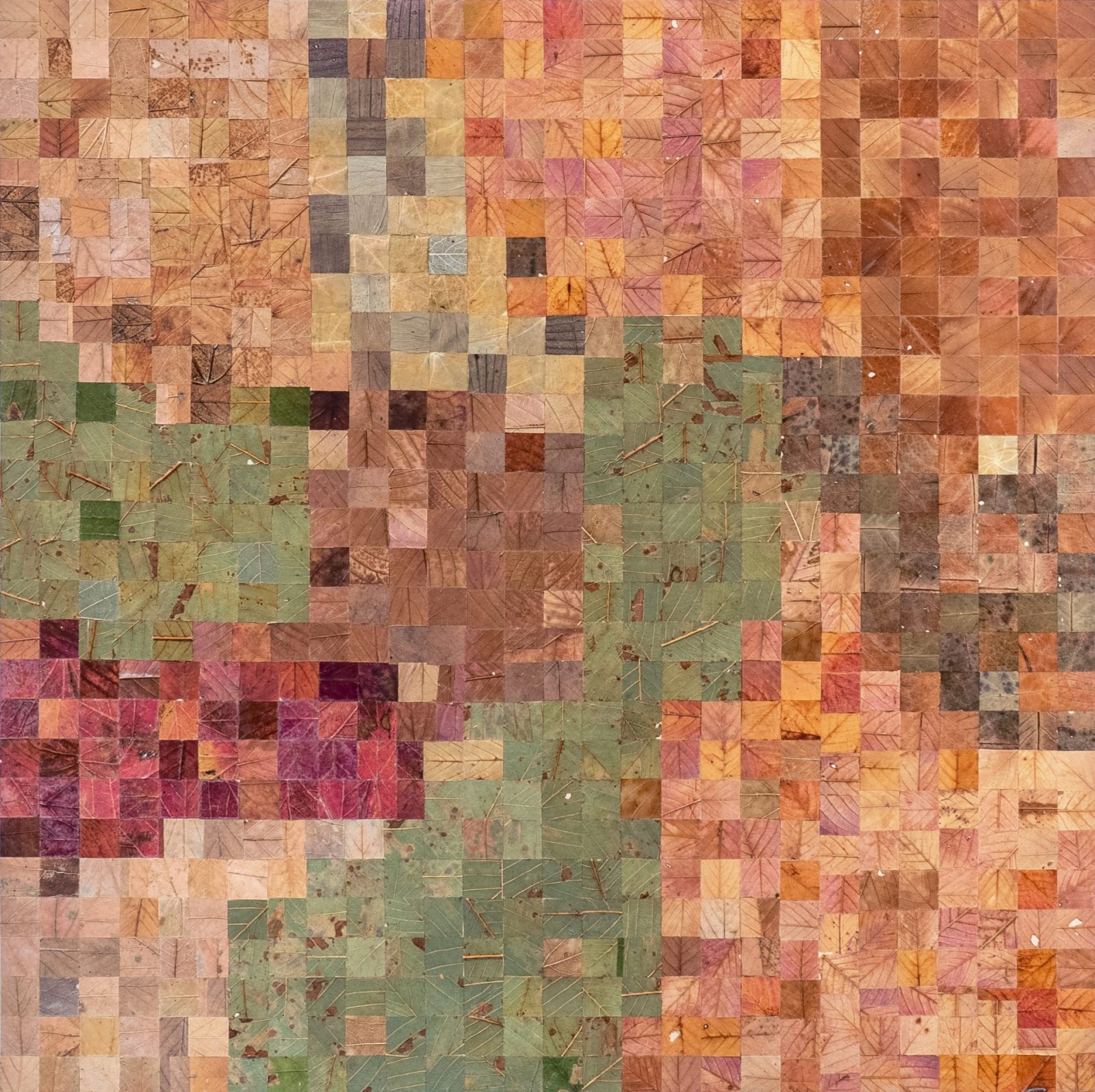
In current projects, I gather and rearrange leaves and other plant materials into squares and grids, referring to the grid-like structures found in taxonomy, cartography and monocultural land use.
Proposal
A human, square, and grid-shaped order is often imposed onto landscapes. Nature as a whole is, still, frequently regarded as ‘other’ than ‘us’.
Fascinated by the act of ‘othering’, I would like to explore the act of ‘islanding’ as an alternative form of isolating. One that is more inclusive, grounded and affectionate.
Embracing the island’s remoteness as a sanctuary, a blob, that holds not just individually distinguishable species, but also the many symbioses between them.
My plan is to ‘island’ (read; ‘lovingly isolate’, or ‘pocket’) my scientific and artistic observations. To make a self-contained unit of assembled findings, similar to a small, site-specific pocket guide. Through notes, documented actions and subtle re-arrangements, I would like to capture a conversation between a square’s seemingly static lines and Rabbit Island’s ever-changing landscape.
During my residency, I would like to:
- create a theoretical and visual taxonomy of the island’s flora and fauna
- draw links between the island’s taxa, paying attention to symbioses, overlaps and subtle ecological entanglements
- gather and dry material in a self-made plant press (carefully and selectively, with respect for the island's species)
- research existing literature on the island’s ecologies, allowing scientific knowledge and embodied observation to inform one another
- assemble my notes, documentation and material findings into a pocket-sized Rabbit Island booklet – similar to a little field- or flora-guide (to be turned into a small printed edition after the residency)
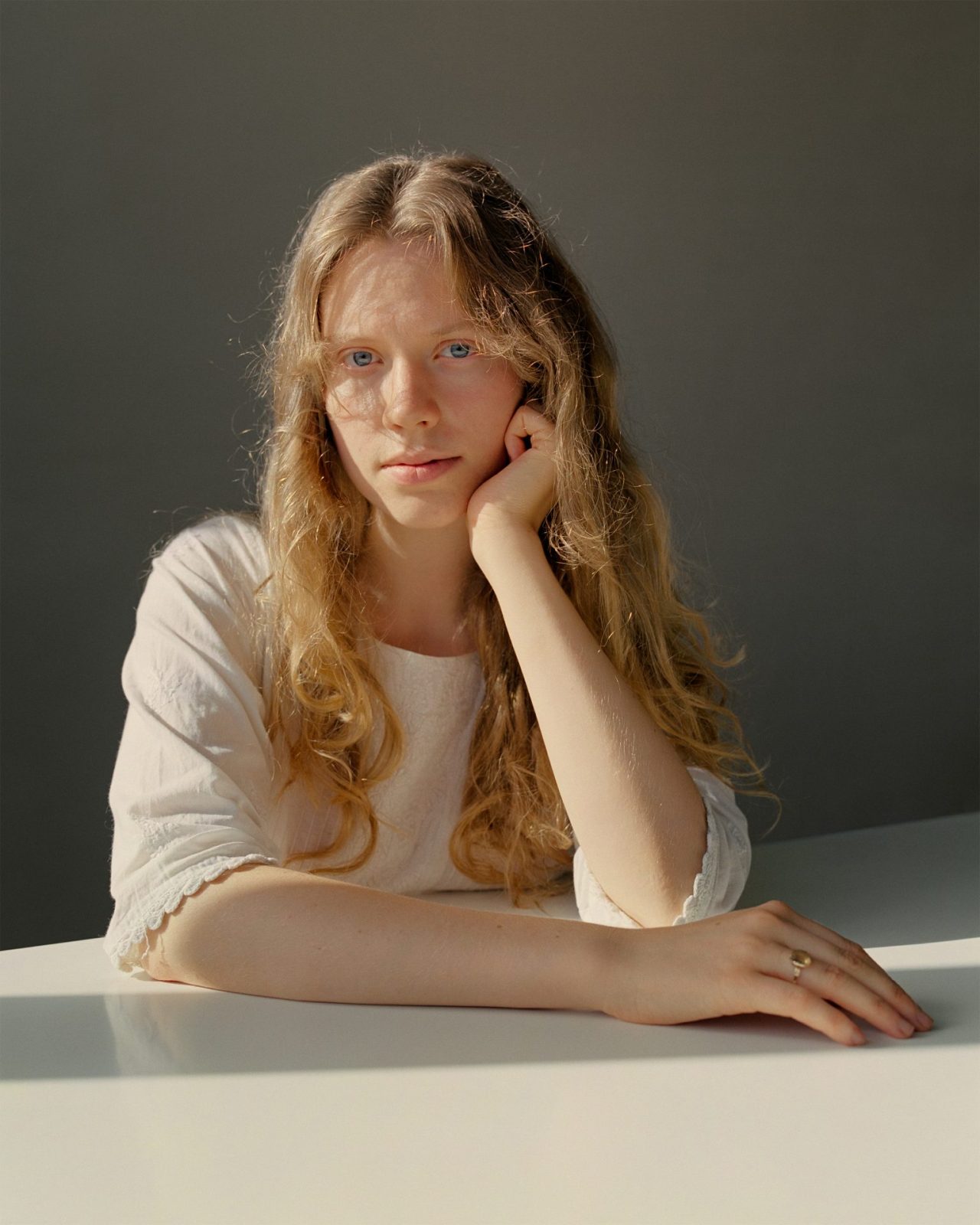
Images: The artist's book "LEAVES", published in 2025. Milah's portrait, courtesy of Wouter le Duc. The artwork "Ten (or so) trees around the village".